Table of Contents
Roofing storm damage leads matters more than most homeowners realize, and it is worth understanding before deciding what to do next.
If you run a roofing company, you already know the pattern. A bad storm hits, phones ring off the hook for a week, and then you’re back to fighting for every job. The problem is, a lot of those calls go to whoever shows up first in Google, not necessarily to the most experienced local roofer. Getting more roofing storm damage leads isn’t about luck or timing. It’s about being set up before the storm arrives so Google sends the calls your way when they spike.
Why Storm Searches Are Different from Regular Roofing Searches
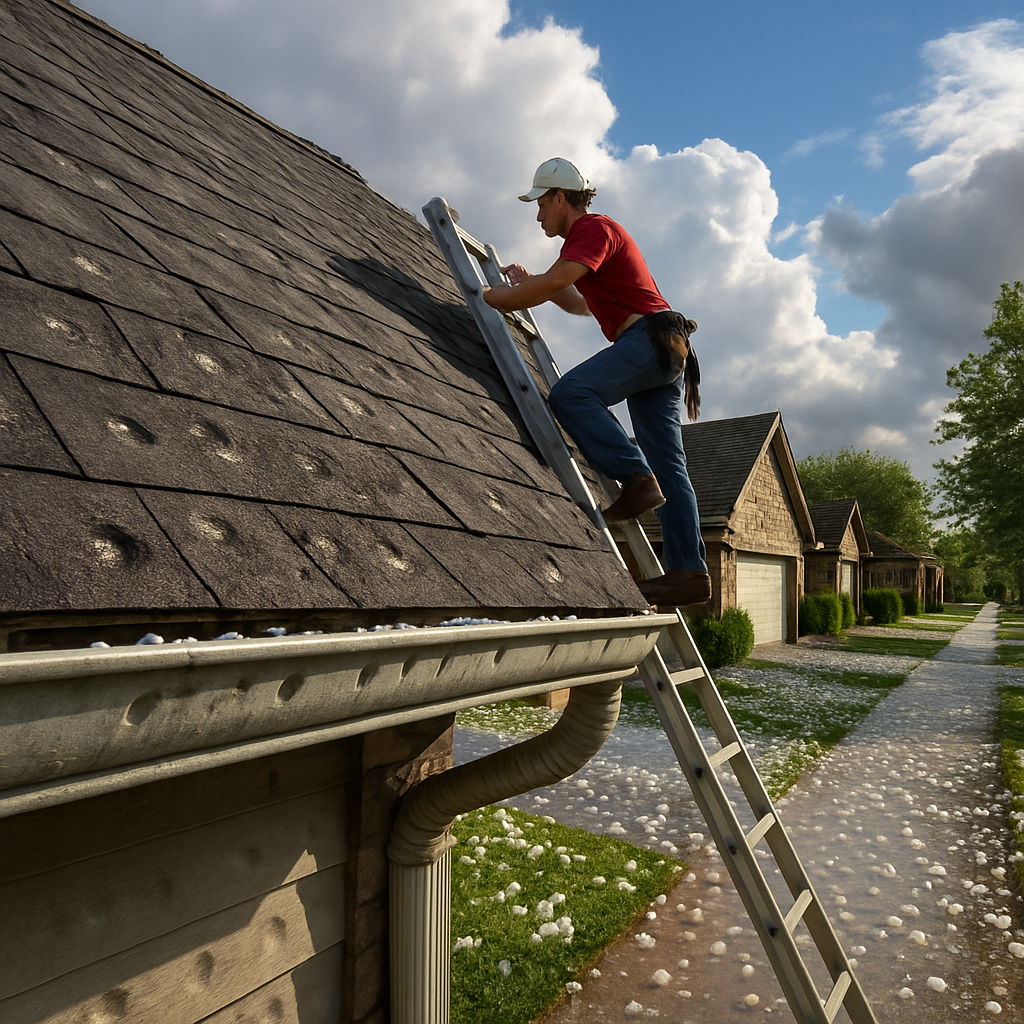
Most roofing searches are somewhat planned. A homeowner notices a stain on the ceiling, waits a week, then looks up a roofer. Storm damage searches are nothing like that. After heavy hail or wind damage, people are searching in a panic, often from their phones, using phrases like “emergency roof repair near me” or “roof damage after storm [town name].” They want someone fast, local, and trustworthy.
This urgency matters because Google weighs search intent heavily when deciding who to show in the map pack. If your online presence is thin or your Google Business Profile is outdated, you’re going to get skipped, even if you’ve been roofing in that town for 20 years. The out-of-town storm chasers showing up with wrapped trucks and aggressive door-knocking have one real advantage over you: they invest in their digital presence so they rank fast in unfamiliar markets. You can beat them, but you have to prepare before the clouds roll in.
5 Ways to Generate More Roofing Storm Damage Leads
1. Optimize Your Google Business Profile for Emergency Searches
Your Google Business Profile (GBP) is the single most important asset for capturing roofing storm damage leads in the hours and days after a weather event. Most roofers set it up once and forget it. That’s a problem.
Here’s what actually moves the needle on your profile:
- List “storm damage repair” and “emergency roof repair” explicitly in your services section, not just “roofing.”
- Upload recent photos of completed storm repairs, before and after, with real job addresses or neighborhoods mentioned in the photo descriptions.
- Post a GBP update within 24 hours of any significant storm in your service area. Keep it short: you’re available, you’re local, you do free inspections. That freshness signal matters.
- Make sure your service area cities are fully filled out. If you cover a 40-mile radius, every town in that radius should be listed.
- Respond to every review, especially negative ones. Homeowners making a stressed, urgent call read reviews fast. A thoughtful reply to a complaint tells them you’re a real business that stands behind its work.
If you’re not sure how your profile stacks up against competitors, a free local SEO audit can show you exactly where the gaps are before the next storm season.
2. Build Location Pages That Target Storm-Prone Areas
One page on your website titled “Roofing Services” isn’t enough to capture roofing storm damage leads across a multi-town service area. Google wants to see that you’re genuinely connected to the communities you serve.
Build individual location pages for each major town or county you work in. Each page should mention local neighborhoods, reference the kinds of weather that area typically sees (hail, ice dams, high winds), and include a few real customer stories or project details from that town. This isn’t about stuffing city names onto a page. It’s about giving Google and real homeowners enough signal to trust that you actually work there.
A roofing company covering five towns needs at least five pages, ideally more. If you’re not sure how to structure this, our work in local SEO for roofing companies covers this exact approach.
3. Collect Reviews Immediately After Every Storm Job
Storm season creates a short window where you can build a review base that carries you through the slower months. Most roofing companies miss this because they’re too busy during the rush and forget to ask once things slow down.
Build a simple follow-up process. Two or three days after a job closes, send a short text or email with a direct link to your Google review page. Keep the ask direct: “We really appreciate your business. If you have a minute, a quick Google review helps other homeowners in [town name] find us after a storm.” That local framing increases response rates because people feel like they’re doing a neighbor a favor, not filling out a survey for a corporation.
Volume and recency both affect how Google ranks your profile for roofing storm damage leads. Ten new reviews in September after a hail event will outperform 50 old reviews spread over five years.
4. Run Targeted Ads During the Storm Window, Then Pull Back
Organic search and your GBP should be the foundation, but paid ads have a specific role during storm season. When a significant weather event hits your market, search volume for emergency roofing terms can jump five to ten times above normal within hours. If your organic rankings aren’t quite strong enough yet to capture all of that, a targeted Google Local Services Ad or a tightly geo-focused search campaign can fill the gap.
The key word is targeted. Don’t run broad roofing ads year-round on a tight budget. Instead, set up campaigns in advance so you can turn them on immediately after a storm event, then pause them once the surge passes. This keeps your cost-per-lead reasonable while still hitting the peak demand window when homeowners are actively searching and ready to book.
This approach works especially well for smaller roofing companies competing against large regional contractors who run ads constantly. You can’t outspend them over 12 months, but you can outmaneuver them during the weeks that actually matter.
5. Make Your Website Fast, Mobile-First, and Built for Urgency
After a storm, most people are searching from their phones while standing in their yard looking at the damage. If your website takes more than three seconds to load on mobile, a significant portion of those visitors will bounce before they ever see your phone number.
Your roofing website needs to do a few things well, and do them fast:
- Put your phone number at the very top, clickable on mobile, every page.
- Include a short contact form with three fields max: name, phone, zip code. Long forms kill conversions during urgent searches.
- Have a visible “Storm Damage” or “Emergency Repairs” section on the homepage, not buried in a dropdown menu.
- Load in under 2.5 seconds on a mobile connection. Test this with Google’s PageSpeed Insights.
- Display your license number, insurance information, and any manufacturer certifications clearly. Homeowners dealing with insurance claims need to know you’re legitimate before they call.
If your current site wasn’t built with these priorities in mind, it’s worth looking at web design that converts for local service companies specifically. A generic template site won’t hold up under the behavior patterns of a homeowner making an urgent, stressful decision.
The Trust Problem: Why Local Roofers Lose to Out-of-Town Crews
After a major storm, homeowners in your market will be approached by roofing contractors from three states away. Some of them do decent work. Many do not. Either way, they’re competition for the same roofing storm damage leads you’re trying to capture.
These companies often win jobs not because they’re better, but because they show up faster digitally. They have templated websites optimized for storm markets, they run ads the moment a storm hits any metro area, and they know how to look credible online quickly.
Your actual advantage is being local, being licensed in the state, knowing the local building codes, and being around after the job to honor a warranty. None of that matters if homeowners can’t find you online first. The digital presence you build now is what lets your real strengths actually show up at the moment a homeowner types “roof repair near me” at 7pm on a Tuesday after a hailstorm.
This same principle applies across trades. HVAC companies face it during heat waves. Plumbers face it during pipe-freeze emergencies. Even industries outside the trades, like medical practices trying to attract new patients in competitive markets, deal with the same fundamental problem of being invisible at the exact moment someone needs them. The strategy of building trust signals and local search presence before the demand spike is the same across all of them, whether you’re thinking about storm season roofing marketing or attracting new patients to a local practice.
When to Start Preparing for Storm Season
The honest answer is: right now, whatever month you’re reading this. SEO takes time to build, and Google Business Profile signals accumulate over weeks and months. If you wait until storm clouds are literally forming, it’s too late to move your rankings. The roofing companies that consistently win the most roofing storm damage leads each season are the ones who did the work in the quiet months before it.
A reasonable preparation checklist looks like this:
- Audit your GBP and fill in every section completely.
- Build or update location pages for every town in your service area.
- Set up a review request system so you can build volume consistently.
- Check your website’s mobile speed and fix any critical issues.
- Have a paid ad campaign drafted and ready to launch on short notice.
None of this is complicated, but it does require doing it intentionally. Most roofing companies skip it because they’re busy running jobs. That’s exactly why the ones who do it pull ahead.
If you want a clearer picture of where your roofing business stands right now in local search, start with a free local SEO audit and go from there.
Frequently Asked Questions
How quickly can a roofing company start ranking for storm damage searches?
It depends on how competitive your market is and where your online presence stands today. A well-optimized Google Business Profile with recent reviews can start showing up in the local map pack within a few weeks of consistent effort. Organic website rankings typically take two to four months to move meaningfully. That’s why preparing before storm season, not during it, makes such a big difference.
Should I run Google ads or focus on organic SEO for roofing storm damage leads?
Both serve different purposes. Organic SEO and your Google Business Profile are your long-term foundation, bringing in leads consistently without ongoing ad spend. Paid ads are best used as a surge tool during and immediately after a storm event when search volume spikes fast. If your budget is limited, build the organic foundation first and add paid ads selectively during peak demand windows.
How do I compete with out-of-town storm chasers who flood my market after a weather event?
Your advantage is legitimacy and proximity. Out-of-town crews can build a temporary online presence, but they can’t fake years of local reviews, a verified local address, and state licensing credentials displayed clearly on a real website. Make sure your Google Business Profile, your website, and your review volume all signal that you’re an established local business. Homeowners who take a few minutes to compare will choose you. Your job is to make that comparison easy.
What should be on a roofing company’s Google Business Profile to attract storm damage calls?
At minimum: your correct business hours (especially if you offer emergency response), a complete service list that specifically names storm damage repair and emergency roof repair, recent photos from real jobs, a description that mentions the towns you serve, and a steady stream of recent reviews. Post a GBP update within 24 hours of any major storm in your area. That freshness signal can influence how prominently you appear in searches happening right after the event.
Do I need separate pages on my website for each town I serve?
Yes, if you want to rank in those towns. A single general roofing page won’t give Google enough signal that you actually serve specific communities. Individual location pages, each with real content about the services you offer in that area and any local context you can add, help Google match your site to searches happening in those specific towns. This is especially important for storm damage searches where people often include the city or neighborhood name in their search.